



👋 Welcome to Think Stack 101
When you hear “computers,” you probably think of sleek laptops, blazing-fast phones, and cloud servers humming somewhere far away.
But behind your everyday screen lies a wild history full of wooden mice, coffee webcams, cosmic rays that flip bits, and “computers” who were actually people.
In this edition of Think Stack 101, we’re diving into:
Deep, quirky moments from computing history
Practical, lesser-known facts about how computers really work today
Perfect for sharing with your tech-curious friends (or flexing at your next team meeting 😉).
🕰️ Deep Dives into Computing History
1. Before Electronics: Looms, Gears & Steam
Long before silicon chips, there were mechanical “computers”:
Jacquard Loom (1804):
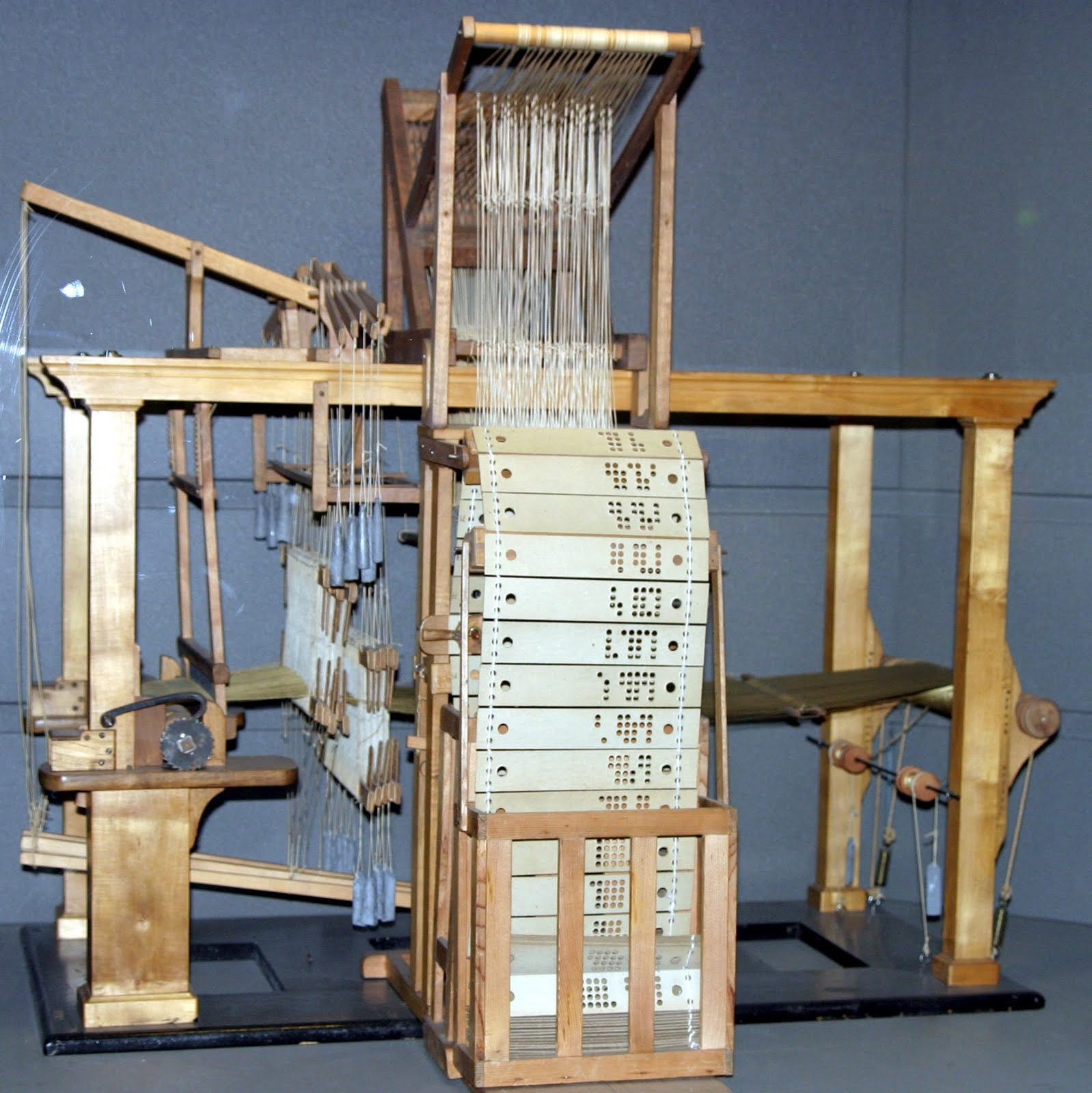
This weaving machine used punched cards to control patterns in fabric. Each card encoded instructions, just like an early program. That simple idea—feeding instructions into a machine—became the conceptual ancestor of modern programming.
Charles Babbage’s Engines (1820s–1830s):
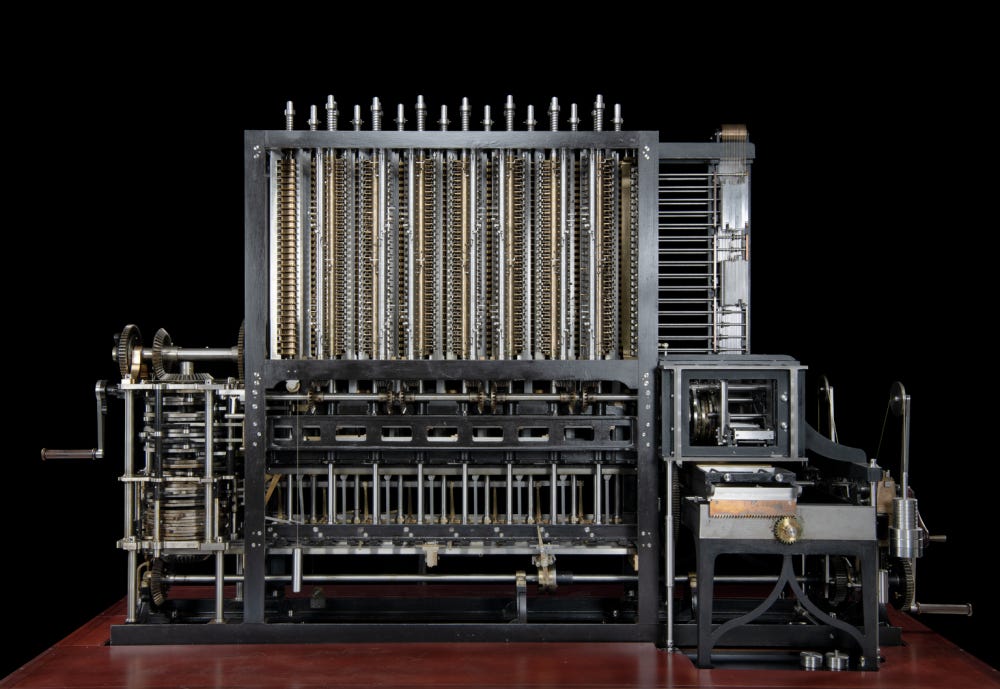
Babbage designed the Difference Engine, a massive steam-powered calculator with thousands of parts, and later imagined the Analytical Engine, a programmable machine with memory and operations—basically, a 19th-century CPU on paper.
Ada Lovelace:
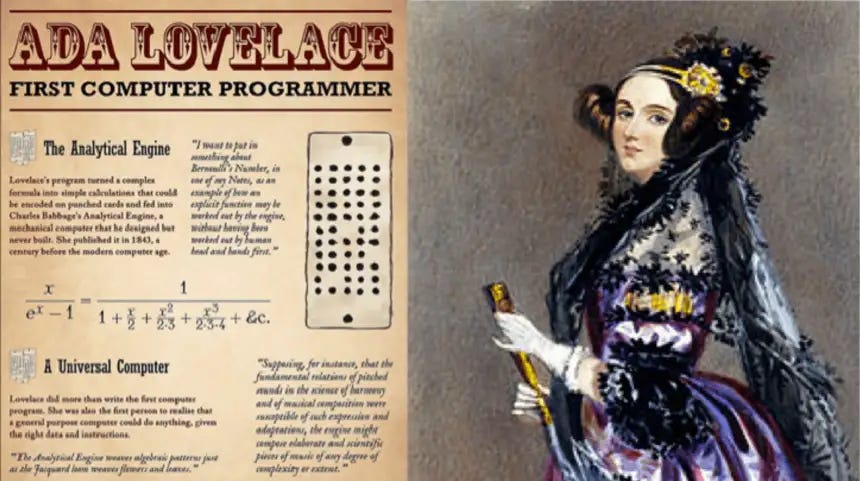
Working with Babbage’s design, she wrote what’s widely considered the first computer program (an algorithm for calculating Bernoulli numbers). This was the 1840s—over 100 years before electronic computers.
📝 Takeaway: The ideas behind computing—programs, instructions, memory—are older than electricity in machines.
2. When “Computers” Were People
Before machines, the word “computer” meant a person who computes:
Governments, labs, and observatories hired teams of human “computers” / human mathematicians to do math by hand.
Many of them were women, including the teams that worked on early ballistics, astronomy, and later on space missions.
Even when early electronic machines appeared, people still said “electronic computer” to distinguish them from the human ones.
The women who programmed early machines like ENIAC did complex logical and mathematical work but were not initially even given the title “programmer.” – they were seen as assistants, despite doing highly complex work.
📝 Takeaway: The computing profession started as a human job description, not a machine.
3. When Computers Filled Rooms
Early general-purpose machines were huge:
ENIAC (1946):
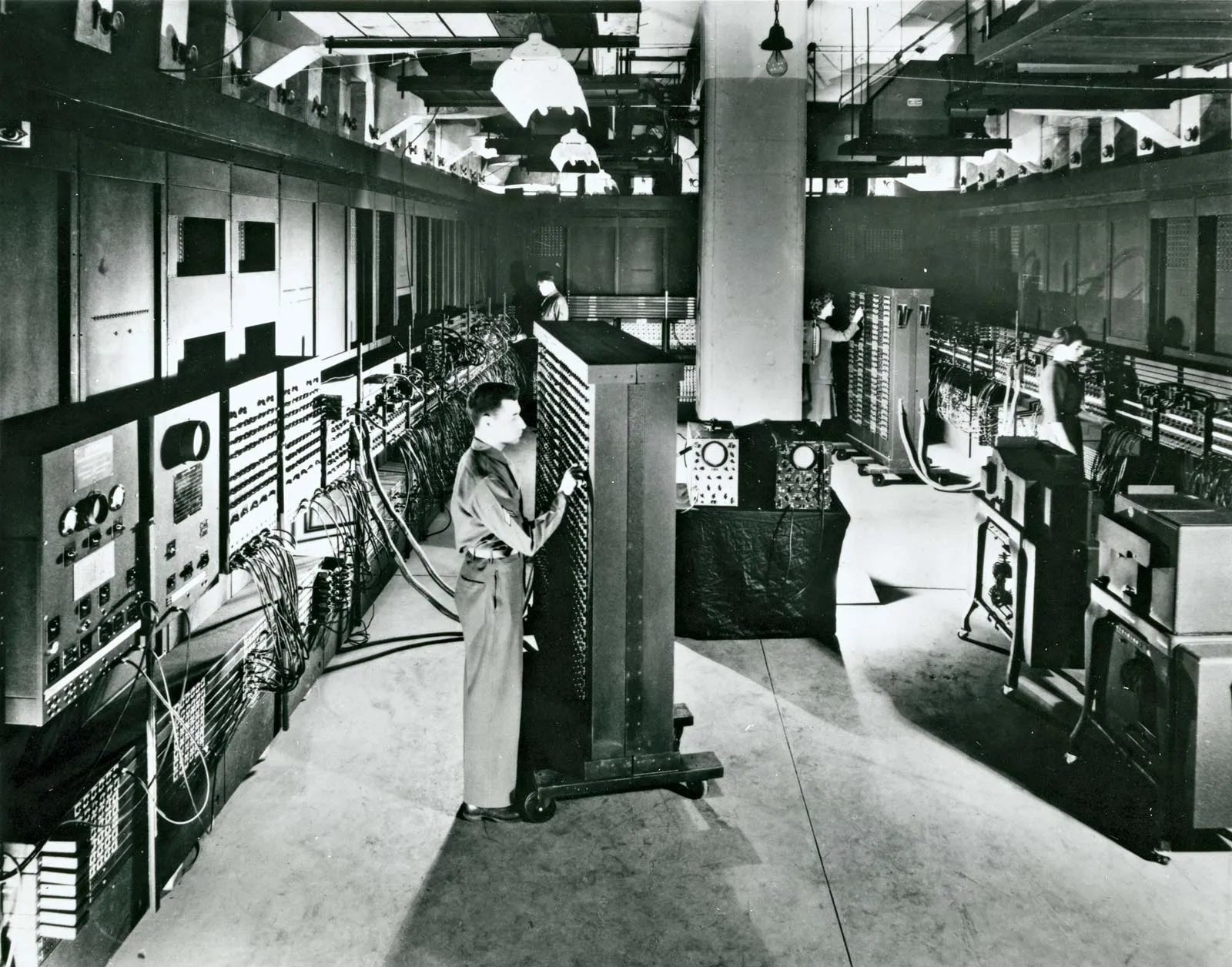
Weighed about 30 tons
Filled an entire room
Used nearly 18,000 vacuum tubes
Programming was done by plugging cables and flipping switches by hand
Your phone today is billions of times more powerful and fits in your pocket—but it took monsters like ENIAC to show what digital electronics could do.
Similarly, early storage was gigantic:
IBM’s 5 MB Hard Drive (1956):
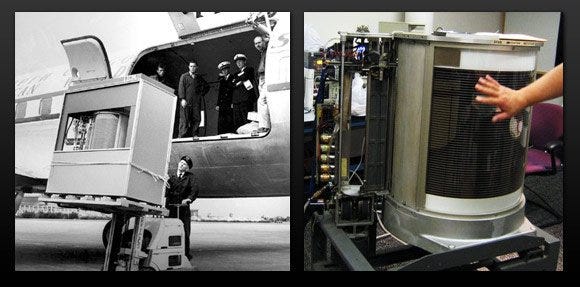
Roughly the size of two refrigerators
Weighed over a ton
Stored just 5 megabytes—less than a single HD photo today
📝 Takeaway: “Cloud storage” used to require a forklift.
4. The Birth of Modern Software
Hardware is only half the story. The other half is how we talk to it:
Grace Hopper & the First Compiler (1950s):
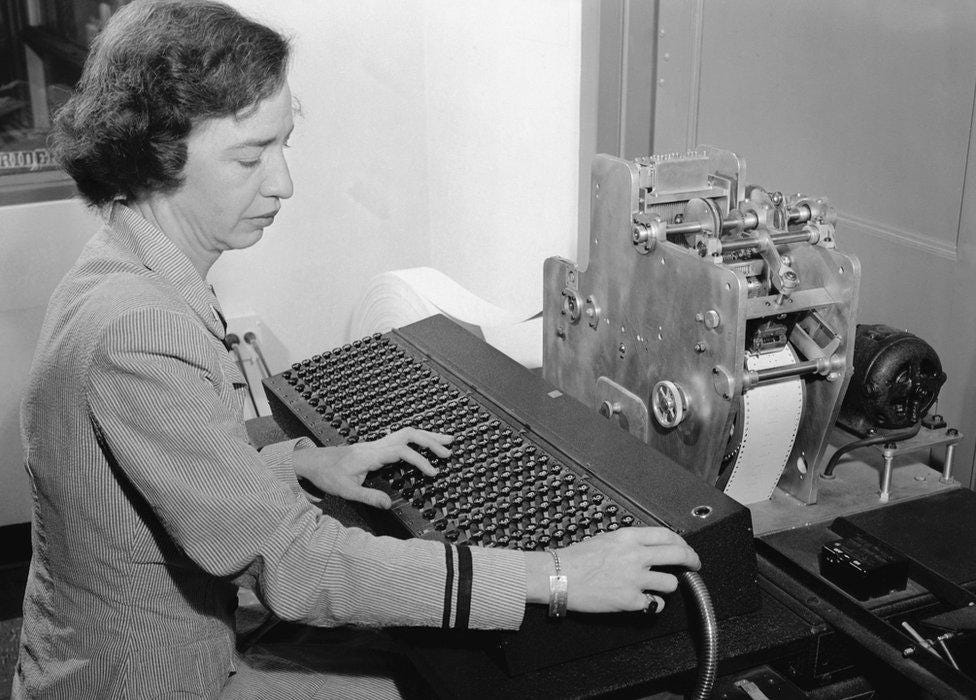
Before compilers, people wrote directly in machine code. Hopper created the first compiler so humans could write in something closer to English and let the machine translate it. This led to languages like COBOL, huge in banking and government—and still running critical systems even today.
Hello, Software Culture:
From these early languages grew the entire world of high-level programming, frameworks, libraries, and the tools you use every day.
📝 Takeaway: Without compilers, software development as we know it wouldn’t exist.
5. The Wooden Mouse, GUIs & the Desktop Paradigm
Most of us learned computers through windows, icons, menus, a pointer—but that had to be invented:
The Wooden Mouse (1960s):
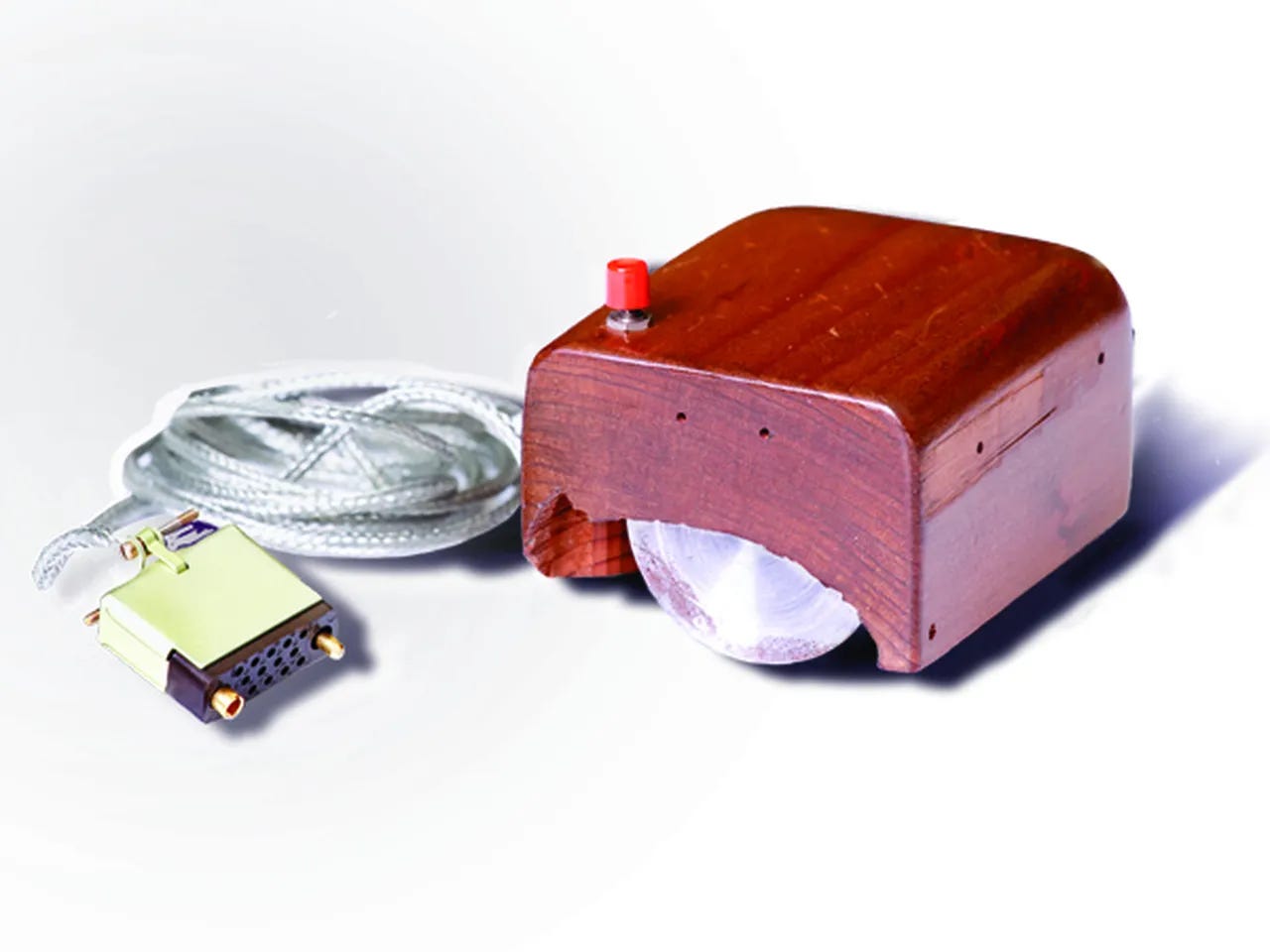
Douglas Engelbart’s first mouse was literally a wooden block with two metal wheels and a button. It was called an “X-Y position indicator for a display system.” Not catchy, but revolutionary.
Xerox Alto (1973):
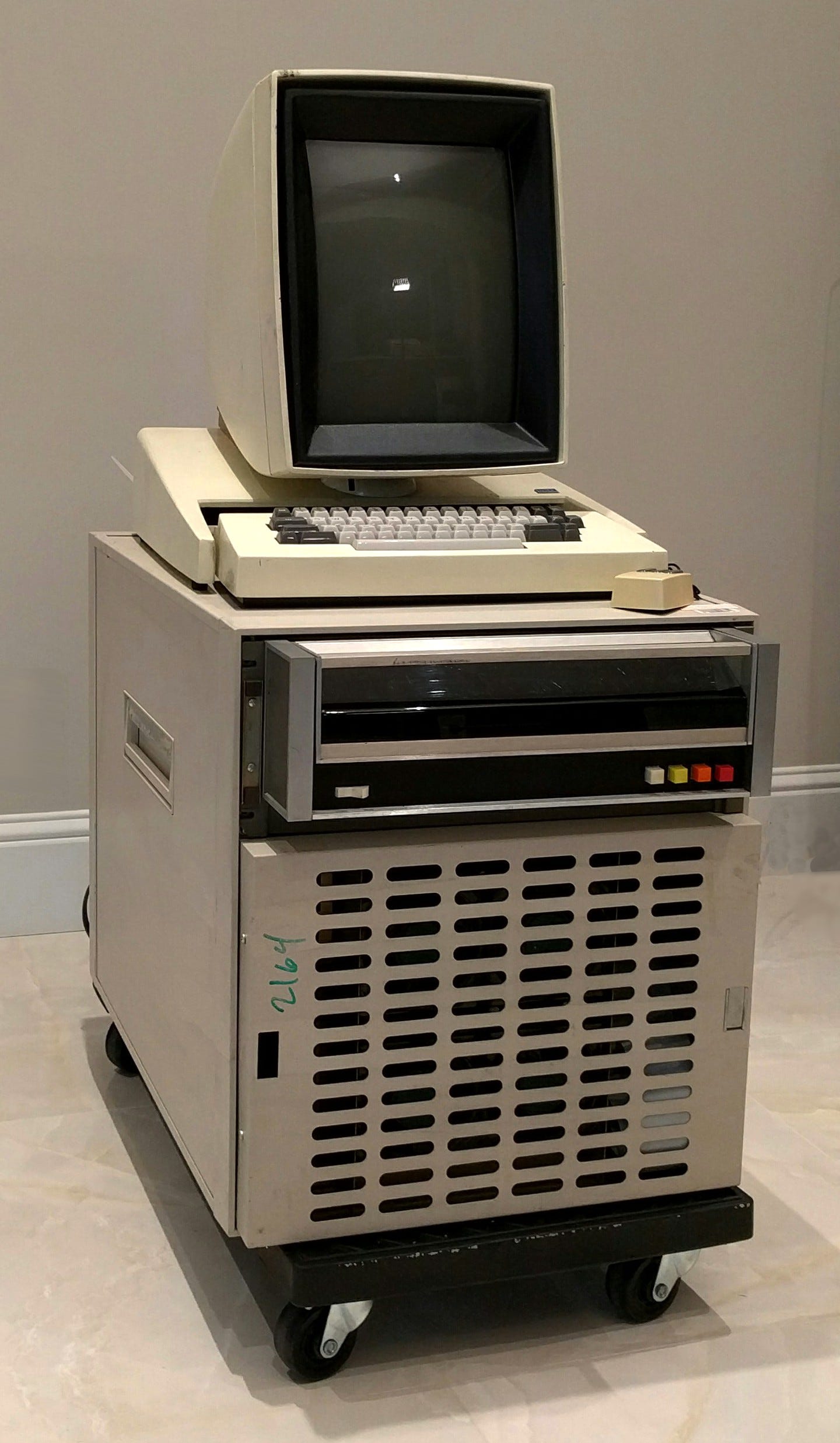
The first real graphical user interface (GUI) computer:
Windows
Icons
Mouse support
It never went mainstream, but it heavily inspired later machines like the Apple Lisa and Macintosh.
Homebrew Computer Club (1970s):
A hobbyist group where early pioneers like Steve Jobs, Steve Wozniak, Bill Gates, and Paul Allen shared ideas. The Apple I and some early Microsoft software were born in this culture of tinkering.
Osborne 1 & Commodore 64 (1980s):
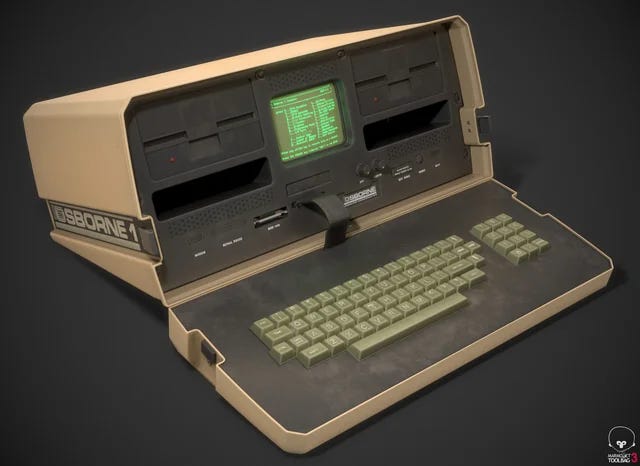
Osborne 1 was one of the first “portable” computers—more like a luggable suitcase than a laptop.
The Commodore 64 went on to become one of the best-selling single computer models ever, bringing home computing and programming to millions.
📝 Takeaway: Today’s sleek laptops are descendants of wooden mice, clunky GUIs, and suitcase-sized machines.
6. From Moon Landings to Smartphones
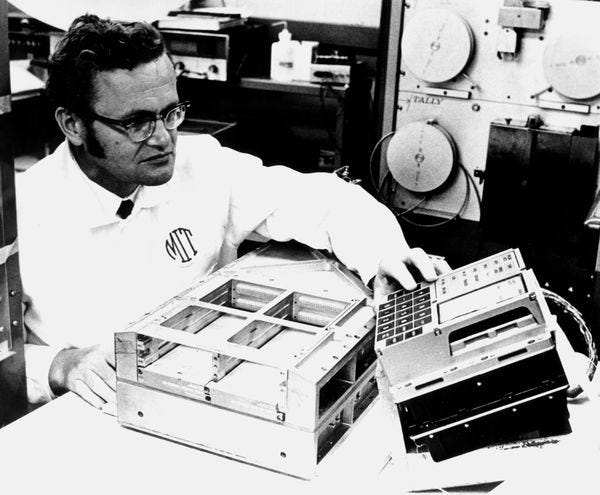
The Apollo Guidance Computer that helped land humans on the Moon had:
Only a few tens of kilobytes of memory
A processor speed measured in kilohertz, not gigahertz
Yet it guided spacecraft with incredible reliability.
Fast-forward:
In 1994, the IBM Simon combined a mobile phone with PDA features like email, notes, and a touchscreen. It’s widely considered the first smartphone, decades before iPhone and Android took over.
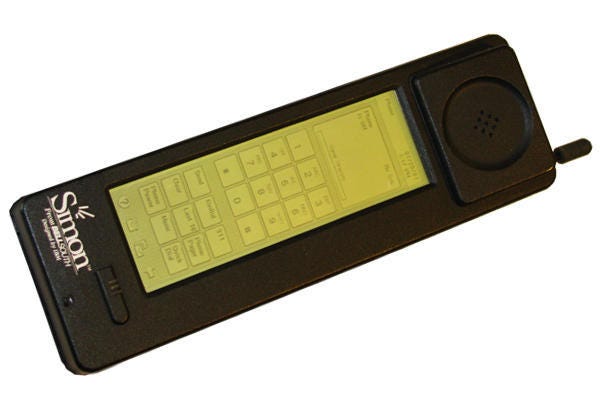
📝 Takeaway: We went to the Moon with less power than a calculator, and tried smartphones before the world was ready.
7. Email, Viruses, Spam & Coffee Webcams
A few more gems from early networked computing:
First Email (1971):
Ray Tomlinson sent the first email and chose the “@” symbol to separate user and host. The message itself was basically gibberish—a test that changed the world.First Virus & Antivirus (1970s):
The Creeper program moved between mainframes just to display “I’M THE CREEPER: CATCH ME IF YOU CAN.” Then a program called Reaper was written to chase it down and delete it—the first antivirus.Why We Call It “Spam”:
The term for junk email comes from a Monty Python sketch where the word “Spam” is repeated endlessly, drowning out everything else—just like unwanted messages.The Coffee Pot Webcam (1990s):
At Cambridge University, researchers pointed a camera at a shared coffee pot so people could see if it was empty. This became one of the first webcams on the web. The world’s first widely known live stream… was a coffee pot.
📝 Takeaway: Email was an experiment, the first virus was a joke, and the first webcam watched coffee—not people.
8. Hidden Whimsy & Cosmic Rays
Software Easter Eggs:
1990s software was full of hidden surprises:Microsoft Excel once hid a flight simulator.
Other Office apps included secret games or credits screens.
These were eventually banned internally for security reasons, but they show how playful early dev teams could be.
Cosmic Rays Flipping Bits:
High-energy particles from space can occasionally flip a bit in memory—from 0 to 1 or vice versa—causing rare, unexplained glitches. That’s why servers and spacecraft use error-correcting memory.
📝 Takeaway: Sometimes your system crash really might be because of outer space.
💡 Lesser-Known And Surprising Facts About Computers
Here are some unusual, lesser-known facts about computers and computing history that most people don’t come across in typical textbooks.
1. The First “Computer Bug” Was A Real Insect
In 1947, engineers working on the Harvard Mark II computer found a moth stuck in a relay, causing a malfunction.
They taped the moth into the logbook and wrote, “First actual case of bug being found.”
That’s how the term “debugging” became popular (though “bug” was used for technical faults even before).
2. The First Computer Mouse Was Made Of Wood
The first mouse, created by Douglas Engelbart in the 1960s, was a wooden block with two metal wheels and a single button.
It was called an “X-Y position indicator for a display system” and was patented long before mice became common.
3. The QWERTY Keyboard Was Not Designed For Speed
QWERTY was originally designed in the 1870s for typewriters, partly to prevent mechanical arms from jamming.
Alternative layouts like Dvorak and Colemak are designed to be more efficient and reduce finger movement, but QWERTY persists mainly because of habit and standardization, not because it’s the best.
4. Your Computer Can Store Data In Places You Don’t Expect
Data is not only in RAM, SSD or HDD – it can leak into:
CPU caches
GPU memory
Printer memory
Even keyboard firmware
This is why, in high-security environments, devices like printers and USB keyboards are treated as potential data leakage risks.
5. Computers Can Be Hacked Using Sound Or Light (No Internet Needed)
Researchers have shown that it’s possible to:
Steal data from air-gapped computers (no network) using ultrasonic sound from speakers and microphones.
Use tiny changes in screen brightness to encode data that a camera can read from a distance.
This is part of a field called side-channel attacks – using indirect signals (sound, power, timing, light) to steal information.
6. The Internet Is Older Than The World Wide Web
The Internet (network of networks) started in the late 1960s (ARPANET).
The World Wide Web (WWW), which uses URLs and web pages, was only invented in 1989–1990 by Tim Berners-Lee.
Email existed before the web, and many people used the internet without browsers – via terminals, FTP, and text-only interfaces.
7. “Hello, World” Tradition Is Over 50 Years Old
The classic first program that prints “Hello, world!” originated in a 1970s C programming tutorial.
It became a ritual for learning new languages – almost every language’s documentation includes a “Hello, world” example.
8. Your CPU Rarely Does What Your Code Says – In Order
Modern processors use tricks like:
Out-of-order execution
Speculative execution
Branch prediction
This means the CPU runs instructions out of order, guesses future branches, and sometimes executes instructions that are later discarded – just to be faster.
Security bugs like Spectre came from these hidden optimizations.
9. Computers “See” Fonts And Images As Math
Text on your screen is not stored as letters, but as numbers referencing glyphs in fonts.
Many fonts are stored as vector outlines (curves and lines), and the graphics system mathematically computes how to turn them into pixels.
Even a simple letter like “A” is a combination of Bezier curves, not a fixed picture.
10. Your Operating System Has Thousands Of Hidden Commands
Windows, macOS, and Linux all include hundreds to thousands of command-line tools that most users never see.
For example, on Linux/macOS, commands like nc, dd, tr, sed, awk, lsof, etc., are extremely powerful and can:
Copy disks
Sniff network traffic
Process huge text files
Many “advanced hacking tricks” you see in movies are just smart use of built-in tools.
11. “Artificial Intelligence” As A Term Is Older Than Most People Think
The term “Artificial Intelligence” was coined in 1956 at the Dartmouth Workshop.
Early AI experiments included games, puzzles, and symbolic logic long before today’s deep learning.
Some early AI programs, like ELIZA (1960s chatbot), already mimicked conversation well enough to fool some people for a short time.
12. Early Storage Was Literally Holes In Paper
Before disks and chips, programs and data were stored on punched cards and punched tape.
Each hole represented a bit – a simple 1 or 0.
Some companies and governments stored entire databases on shelves of punched cards.
13. Computers Use Time Crystals And Atomic Clocks (Indirectly)
Accurate time is critical for:
Encryption
Network protocols
GPS
Data centers and servers use atomic clocks or sync to time sources derived from them.
Without precise time, many security protocols and distributed systems would break.
14. Your Password Can Be Guessed Without Trying Every Combination
Password cracking rarely uses pure brute force on all combinations.
Attackers use:
Dictionaries of common passwords and patterns
Knowledge of human habits (names, years, “@123”, etc.)
Leaked password lists from other sites
This is why a random 12+ character passphrase like
“violet-tiger-river-lamp” is much stronger than Rahul@123.
15. Computers Can Simulate Physics Better Than They Simulate Humans
Computers are excellent at simulating physics: weather, galaxies, materials, fluids.
But simulating human minds, language, common sense, or emotions is far harder and still imperfect, even with modern AI.
That’s why realistic weather simulations existed decades before believable conversational AIs became mainstream.
16. Deleting A File Usually Doesn’t Erase It
When a file is “deleted,” most file systems simply mark the space as available; the actual data remains until overwritten.
This is why data recovery tools can often restore deleted files, and why secure deletion requires overwriting data several times (or using full-disk encryption from the start).
🔚 Wrapping Up
From wooden mice and room-sized hard drives to side-channel hacks and atomic clocks, computers are stranger—and more fascinating—than they look on the surface.
If you enjoyed this issue of Think Stack 101, you can:
Share it with a friend who loves nerdy facts
Use a few of these stories in your next class, meetup, or team stand-up
Start noticing the “hidden layers” behind your everyday devices
What do you think? Did any of these blow your mind? Drop your thoughts in the comments!
Catch you in the next Think Stack 101 edition! 🚀

Cut through the noise!
🚀 We’ve just launched our Think Stack 101 WhatsApp Channel — your daily stack of knowledge, wisdom, ideas and innovation to power up your thinking.
✨ One smart thought a day. Just the boost your mind needs.

I go back to step 5 - I started my technology journey by using an Osborne 1 to write a program to perform Principal Component Analysis on my sediment analysis data. The Osborne had been given to the university history department, they hadn’t used it but it was ideal for me as an environmental archaeology researcher.